
He Has A Plan
August 12, 2026
Fr. John Riccardo
Brothers and sisters: I am speaking to you Gentiles. Inasmuch as I am the apostle to the Gentiles, I glory in my ministry in order to make my race jealous and thus save some of them. For if their rejection is the reconciliation of the world, what will their acceptance be but life from the dead?
For the gifts and the call of God are irrevocable. Just as you once disobeyed God but have now received mercy because of their disobedience, so they have now disobeyed in order that, by virtue of the mercy shown to you, they too may now receive mercy. For God delivered all to disobedience, that he might have mercy upon all (Romans 11:13-15, 29-32).
We need to back way up.
Romans is a letter — not a series of excerpts to be read at Mass. More specifically, it’s a letter written by Paul to a community of Christian believers he had not met yet. This community in Rome is made up of both Jewish and Gentile disciples of Jesus. They live in a city that is the capital of the world. It is a city where the one who ruled the world, Caesar, called himself “lord.” What’s more, he was hailed as “savior” and “bringer of peace.” Caesar expected — no, demanded — that the people respond to what he had accomplished (at the tip of a spear, we need remember) with whole hearted allegiance to him. This allegiance was embodied in the word pistis, which we translate into English as “faith.” At the very heart of Paul’s letter is the bold, subversive and very dangerous announcement that Jesus of Nazareth, a descendant of David, is not only the long awaited fulfillment of all the promises of God to the people of Israel, that is, the Messiah; He is also the true and rightful Lord of the entire world. And, as a result of what this Lord has done, namely, defeated the age-old powers of Death and Sin, the loving, proper, and logical response to Him is the same thing that Caesar had wrongfully demanded: allegiance, or, faith.
Now, with this excerpt that we’re going to hear this coming Sunday, we reach the crescendo not only of three very challenging chapters (9-11) but an encapsulation of the whole of human history: God’s mercy triumphs over our disobedience, whether we are Jewish or Gentile. In Jesus, God has come to the rescue of His good creation in a way that neither the pagan world nor the Jewish people ever imagined: the cross.
As many saints, scholars, and commentators have said: when all is said and done, everything is grace.
Everything.
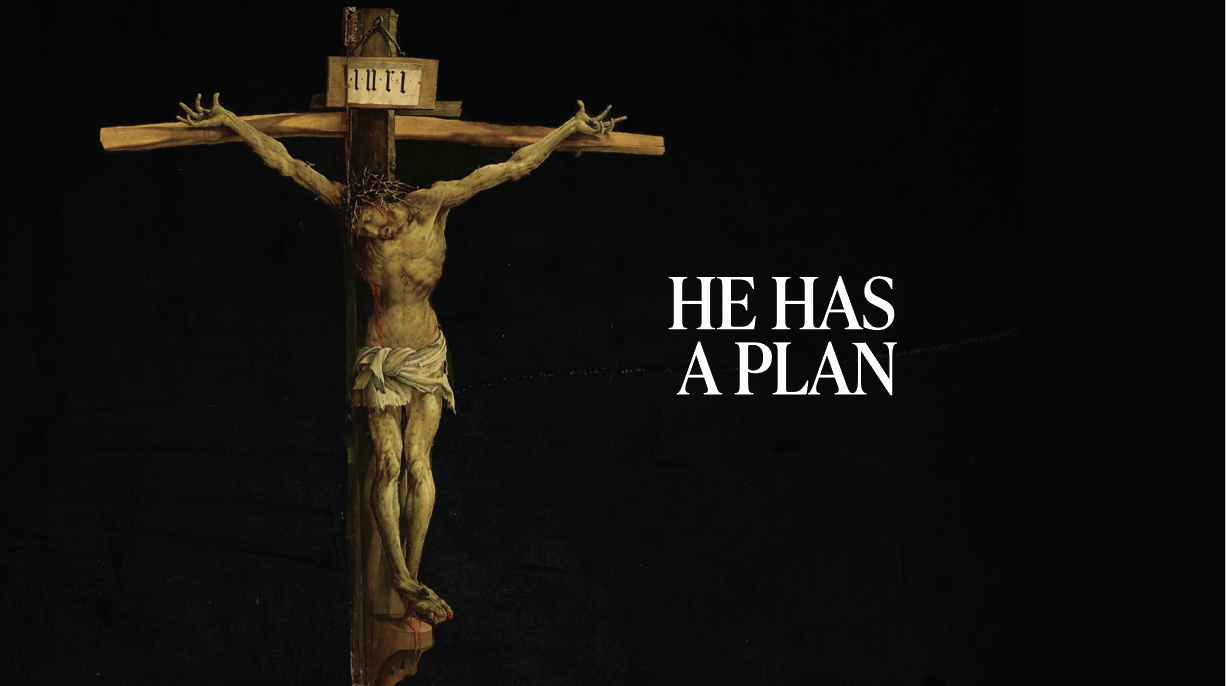
None of us “deserved” God coming to our rescue, let alone in the most scandalous way of becoming man and going to the cross — an act that, while it looked like a humiliating defeat, turned out in the end to be a victory of genuinely cosmic proportions!
Paul is grappling in chapters 9-11 with tough questions. At the heart of the answer is Paul’s reminding the Roman community, and us, that God has a plan for history. A most significant aspect of that plan centers on the person of Abraham and the covenant God made with him, and the election or call of the Jewish people — Jesus, after all, is a descendant of Abraham according to the flesh. That election, that call, is not done away with. It is irrevocable!
To say that God’s ways are mysterious is more than an understatement! As the Lord said to Isaiah, “My thoughts are not your thoughts, nor are your ways My ways” (Is 55:8). Nobody, it turns out, has a monopoly on God’s mercy. The pagans were rescued from Death and Sin and the devil despite their disobedience to God, that is, despite their falling prey to idolatry and worshipping false gods. That is, they were saved by God’s gracious mercy. Now, Paul says, the same is true of the Jewish people. While their election is in fact a great gift, it is not how they were rescued. God’s gracious mercy is the same cause. As James D.G. Dunn put it, “God hardens some in order to save all; he confines all to disobedience in order to show mercy to all.”
God knows what He’s doing. I, quite frankly, don’t. How He’s going to accomplish the total restoration of His creation I have no idea. As we wrestle with Paul’s words and the realities contained in those words, let us do our best to daily — again and again — respond to God’s incredible mercy by giving the Lord Jesus our allegiance. Let us also be on the lookout for opportunities to be heralds, like Paul, of this great King, who rules from a cross and not with a spear. And let us ask the Holy Spirit for ever deeper trust in God, especially perhaps with those who still seem or may in fact be very far from our good Father.

ACTS XXIX Prayer Intentions
August 2026
For the many missions we will lead throughout California this month, that our time with God's people would bear abundant fruit, drawing hearts more deeply into the love of Jesus and strengthening His Church.
For Fr. John and his new book, The Resistance: God's Plan for Renewing the Human Family, that all who read it would rediscover who God is, who they are as His beloved sons and daughters, and embrace His call to become agents of renewal and re-creation in the world.
For our mission with the presbyterate of the Diocese of Joliet, that the Holy Spirit would bring hope where there is discouragement, healing where there are wounds, and renewed passion for proclaiming the Gospel.
For all those attending our upcoming Leadership Immersive, that they would encounter Jesus in a fresh way, be equipped for the mission entrusted to them, and return home eager to restore the initiative to God and fired up for the Gospel.
For the planning and preparation of the Jesus Conference, that every decision would be guided by the Holy Spirit, every obstacle removed, every detail serve God's greater purpose, and that the conference would be a powerful catalyst to be mobilized for mission for all who attend.
For our Board of Directors, our benefactors, and all who faithfully pray for ACTS XXIX, that God would abundantly reward their generosity and fidelity, bless them and their families, and continue to use them as instruments in His work of rescuing, renewing, and transforming the human family into the family of God.